 Homebly
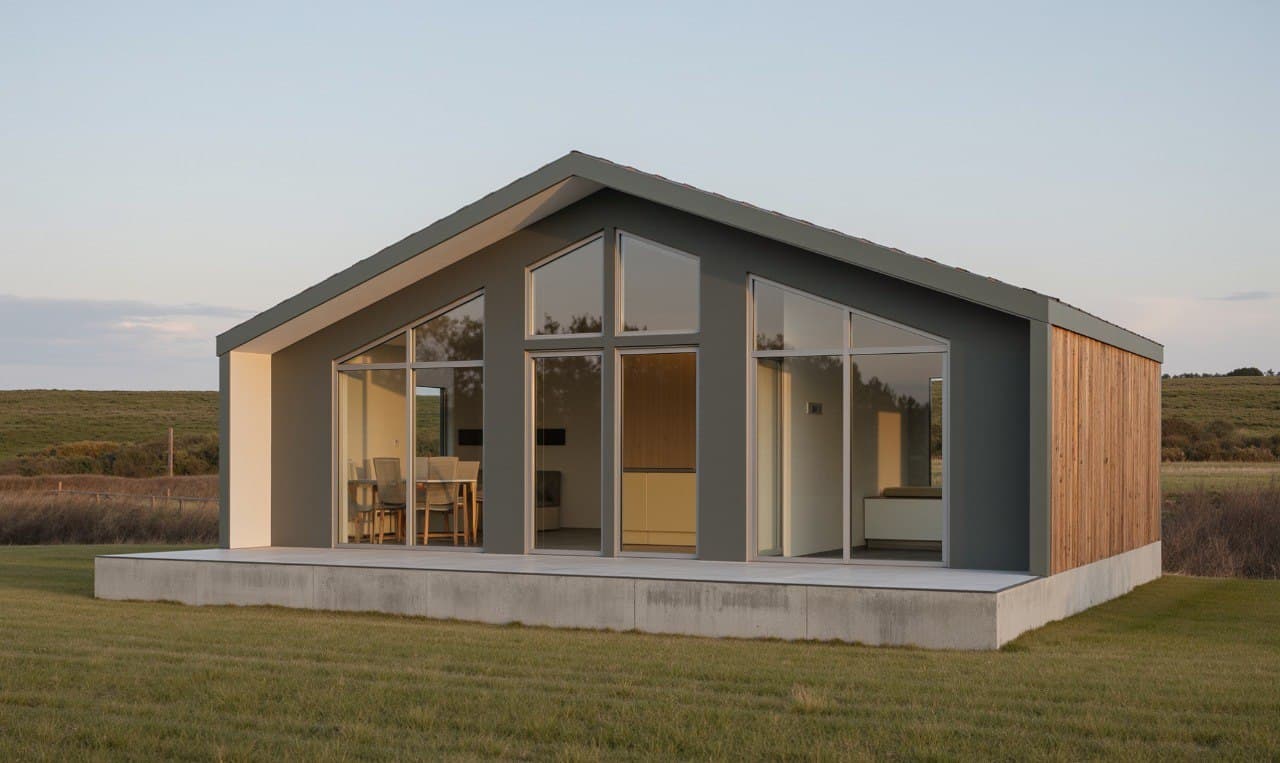
Building a house on extravilan land in Romania: when it is possible and the steps in 2026
A house cannot be permitted directly on agricultural land outside a locality’s buildable boundary (extravilan). What the law says, how a buyer checks the plot, how land enters the buildable zone through a PUZ, and what an archaeological area adds.
Published: October 22, 20265 min read
The short answer: on agricultural land in the extravilan, outside the buildable zone of a locality, you cannot get a permit for a house directly. The Land Fund Law 18/1991 forbids building on agricultural extravilan land in art. 92 and lists the exceptions; housing is not among them. The new planning code, Law 169/2026, refers to the same list (art. 152).
The route to a house goes through the status of the land: it first has to enter the intravilan through a planning document, and only then do you apply for the building permit. The procedure has no guaranteed deadline and no guaranteed approval.
Intravilan, extravilan and what the documents say
| Status of the plot | What it means for a house | Next step |
|---|---|---|
| Intravilan, yards and buildings (curți-construcții) | You can build under the PUG rules | Urban planning certificate for building, then the permit |
| Intravilan, agricultural category (for example arable) | You can build; the land leaves agricultural use through the building permit (art. 167) | As above |
| Agricultural extravilan inside a PUG urbanisation zone | Not directly; you can request a PUZ to bring it into the intravilan | Opportunity study and a request to the town hall |
| Agricultural extravilan outside the urbanisation zones | No; only the public authority can start extending the intravilan (art. 151) | Ask the town hall whether a PUG update is planned |
| Any plot in an archaeological or protected area | The culture ministry’s opinion is added, and where relevant the environment authority’s | See the archaeology section |
The intravilan is the territory of the locality, drawn by the general urban plan (PUG) or by zonal plans, where buildings can be permitted (art. 151 of the Code). The extravilan is the rest of the commune or town: fields, forest, pasture. Land is buildable when the planning rules allow building, it can be connected to utilities and it has access to a public road, directly or through a legally established right of way, and access to public services (art. 159).
Two documents tell you the status of a plot. The land book extract shows its category of use, such as arable, pasture or yards and buildings (curți-construcții). The information urban planning certificate shows whether the plot is in the intravilan and which rules apply; anyone can ask for it, so a buyer can do it before signing.
What can still be built in the extravilan
On agricultural land of quality class III, IV and V, the law allows only specific objectives, with a permit and with the land taken out of agricultural use, among them: buildings that serve farming, farm annexes, quarries, roads and networks, works of public utility, renewable energy. On class I and II land, the most fertile, the list is even shorter. The same applies in national parks, reserves, monuments and archaeological or historic ensembles: there even farm annexes are off the list.
A farm annex is not a house. The Code defines it as a provisional ground-floor building of up to 200 m², used by farm workers in an isolated extravilan area for machinery, tools and animals. Lodging is allowed only temporarily, during agricultural campaigns. An “annex” lived in all year breaches its permit: it was approved for a different use.
Catalogue: 19 projects with prices (PDF)
All barnhouse and A-frame projects with shell and turnkey prices — free, straight to your inbox.
We’ll reply on WhatsApp at this number. By submitting this form, you agree to our privacy policy.
How the plot becomes buildable: the PUZ
Agricultural extravilan land enters the intravilan through the PUG or a zonal urban plan (PUZ), after the agriculture ministry issues its opinion on the land’s quality class (art. 153). An owner can request a PUZ to move the intravilan limit, but only where the commune’s PUG has set an urbanisation zone. Outside those zones, only the town hall or the council can start the extension (art. 151(7)).
The request goes to the town hall with an opportunity study, and the list of requests is published on the town hall’s website (art. 66). The town hall may postpone the start to tie it to its own investments, and the PUZ has to set aside land for the area’s public needs: roads, networks, shared spaces. Where the area has no road or utilities yet, whoever asks for the extension pays the full cost of equipping it and shows how it will work independently, or negotiates a joint plan with the town hall (art. 151(8)).
Only after the PUZ is approved do the usual steps follow: the urban planning certificate for building, the design and the building permit. A PUZ is drawn up by a planner with signing rights; it is separate from the house design and paid for separately.
Archaeological or protected area: one more opinion
In an area with archaeological heritage, the building permit is issued only with the prior opinion of the Ministry of Culture or its county directorate (art. 190(2)). Where remains are found by chance or the area is being classified, permitting is suspended by law until the archaeological clearance of the land (art. 190(3)).
This also closes the simple route: the notification for a house of up to 150 m² applies only inside the intravilan of a rural locality, outside protected areas and outside the protection zones of historic monuments. On agricultural extravilan land in an archaeological area there is no legal shortcut, however small or demountable the house.
Before you buy extravilan land
A cheap plot with a view is often agricultural and in the extravilan, and it is often cheap because it cannot be built on today. What to check before you buy:
1. Ask for the information urban planning certificate and read whether the plot is in the intravilan, what the zone is for and whether it lies in a protected or archaeological area. 2. Check in the PUG whether the plot is in an urbanisation zone. If not, ask the town hall whether an update is being prepared. 3. Check access to a public road and the distance to utilities: even after a PUZ, equipping the area may fall on you. 4. Agricultural extravilan land is sold under Law 17/2014, with pre-emption rights for co-owners, tenant farmers, neighbours and others; the details are in the guide for foreign buyers.
If the plot is already buildable, we come in with the house: we can prepare the design for the permit, and we make the house at our factory in Baia Mare. Send us the land book extract and the urban planning certificate and we will tell you what can go on the plot.
Frequently asked questions
Short answers to the questions people ask most about houses on extravilan land.
Can I build a house on arable extravilan land if I farm there?
Not a dwelling. The law allows buildings that serve farming and farm annexes, and an annex may only have provisional lodging for agricultural campaigns. A farmer’s home takes the same route as any house: the land has to be in the intravilan.
Does a house on piles or a demountable house need a permit in the extravilan?
Yes. What decides is the land and the use of the building, not the foundation. The Code exempts certain small and provisional structures from permits, but a dwelling on agricultural extravilan land is not one of them.
How long does a PUZ to enter the intravilan take, and what does it cost?
The law gives no guaranteed term: the town hall may postpone the start, and the plan needs several endorsements (avize). The cost of the planner, the studies and equipping the area is set case by case. The cheap first step is the information urban planning certificate.
Related articles
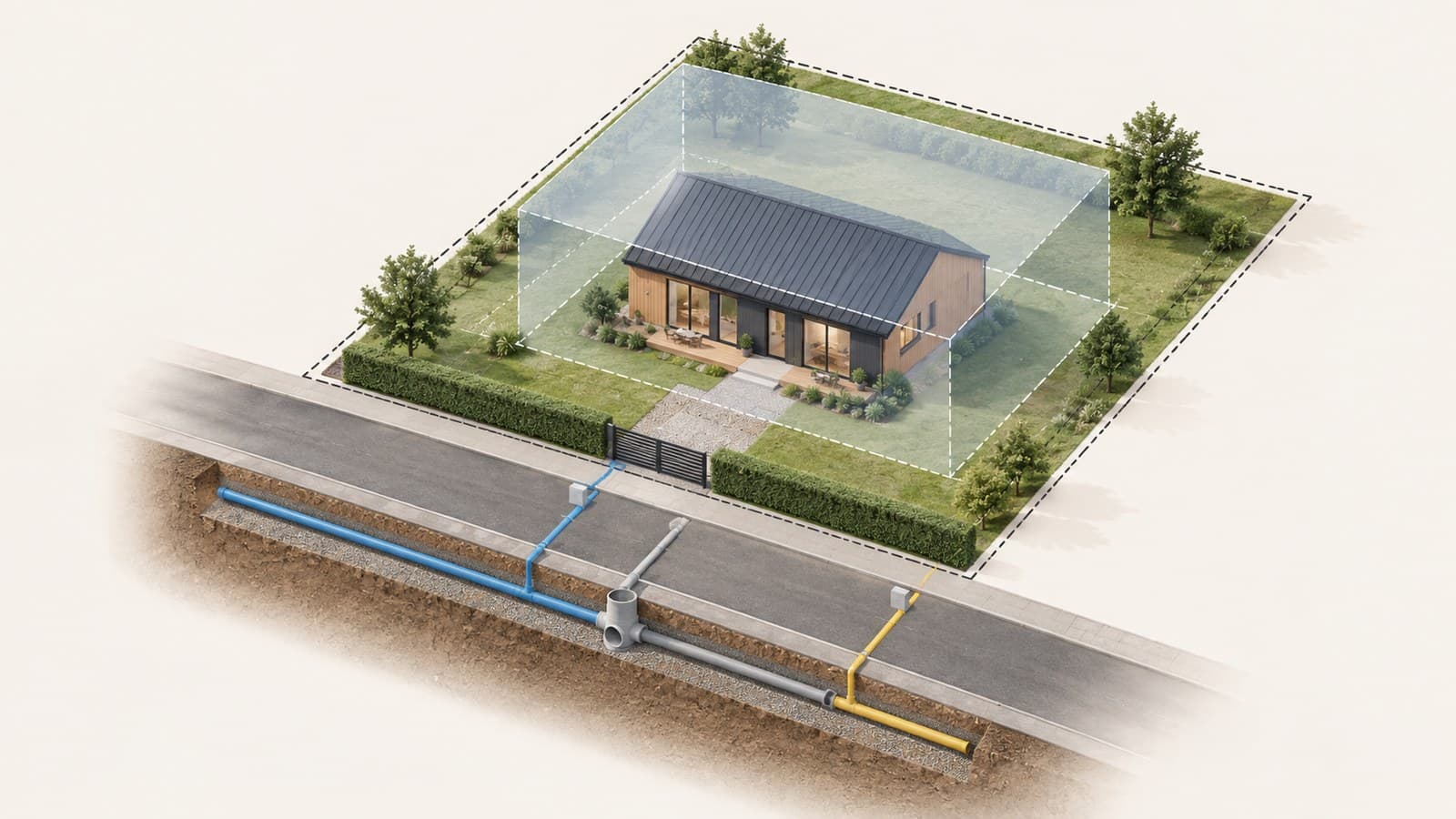
Published: October 2, 2026
Romania’s urban planning certificate in 2026: which one to request and what it tells you before you buy a plot
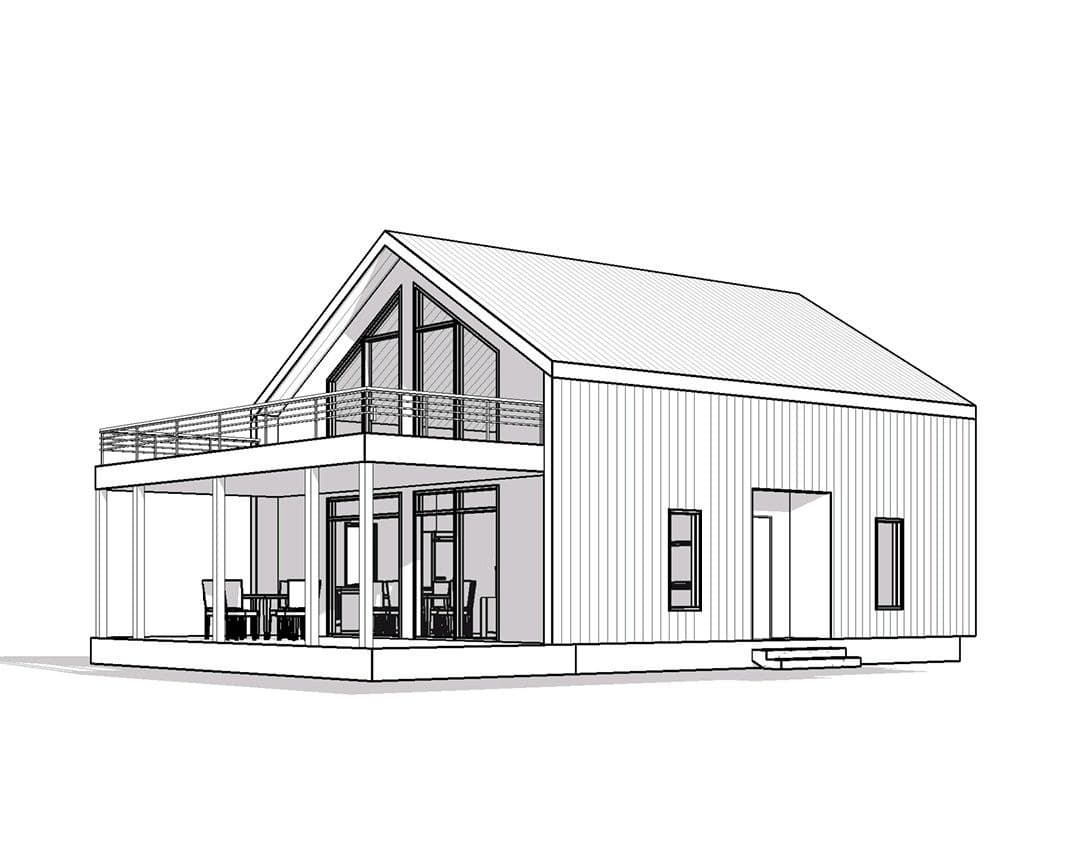
Published: August 31, 2026
Building Permit for a Holiday House in Romania: Documents, Steps and Timelines in 2026
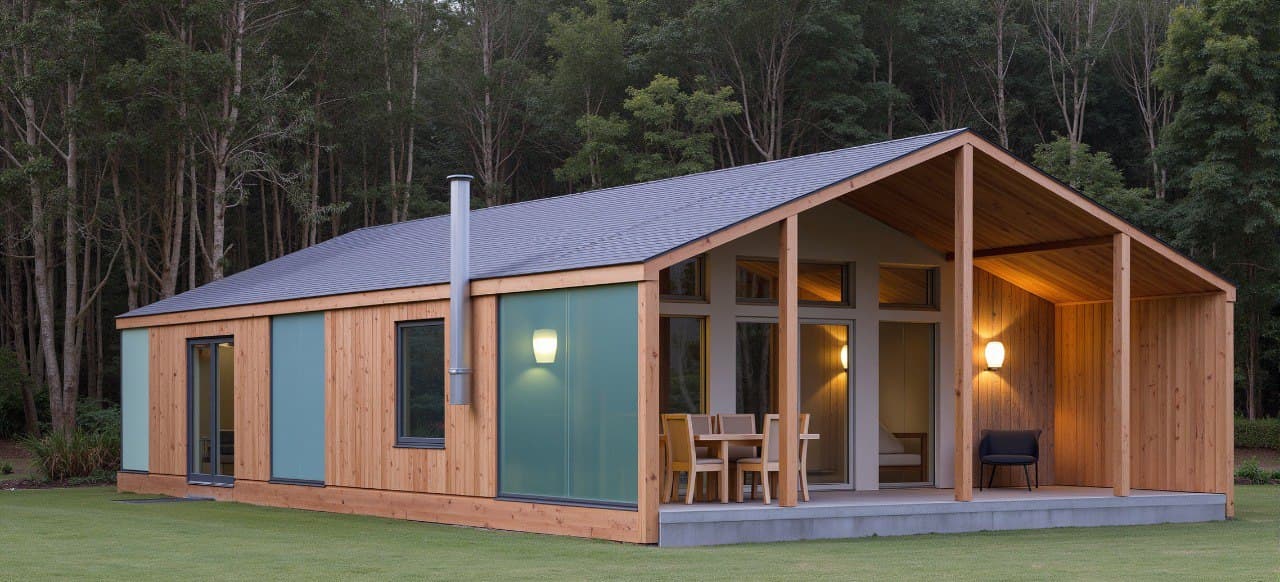
Published: September 30, 2026
A house of up to 150 m² in a Romanian village without a building permit: how the notification works
We check for free whether your plot allows the build
Send us the locality and, if you have it, what the urban planning certificate says — we reply with what can be built there and which documents are missing, no strings attached.